Author: John Mureiko

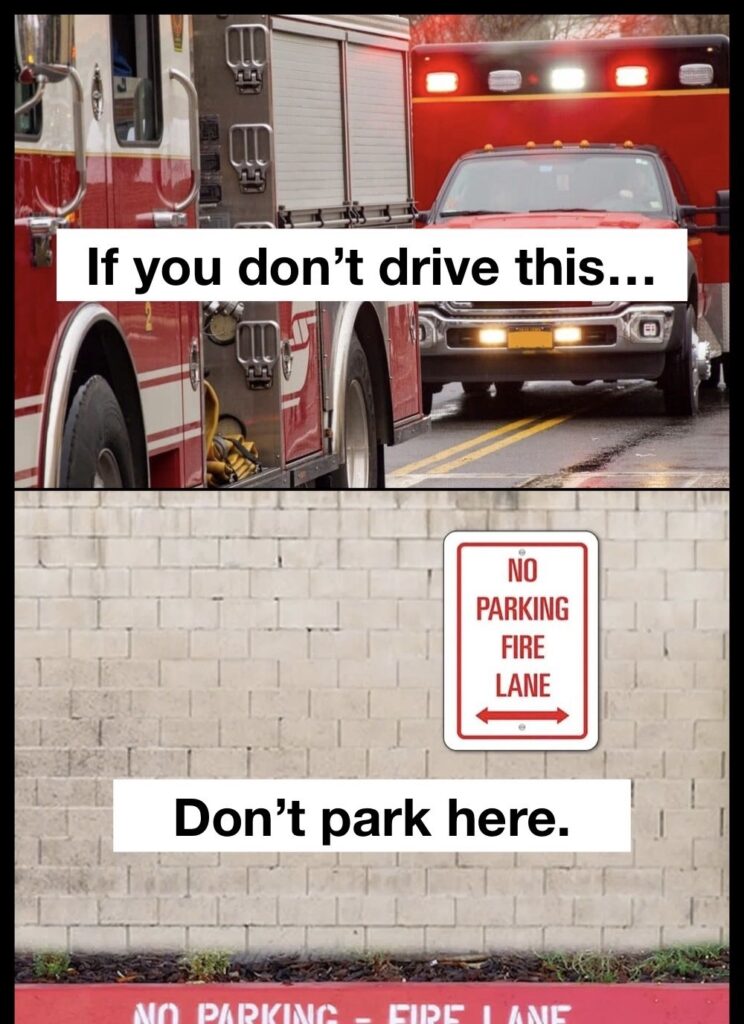
  • Clear the Fire Lane!

    Boring but useful tips are the ones that save you the most money later. Here’s one for the road (no pun intended…):

    When designing a fire lane in your business park, don’t overlook the city’s engineering requirements. Cities are getting much stricter about these.

    What is a fire lane? It’s a dedicated access route around or between buildings that allows fire trucks and emergency vehicles to reach the structure quickly. Fire codes require them in most industrial and commercial properties because large buildings, warehouses, and manufacturing facilities need fast response times in case of fire.

    Why so many requirements? Fire trucks are extremely heavy. The lane must support that weight, so cities often require a thick reinforced concrete slab (like the 8″ slab with ½” rebar on 16″ centers I just saw locally). They also mandate specific width, turning radius, striping, signage, and clearance.

    This is not cheap — but skipping it upfront can create major headaches and expensive fixes later.

    Pro tip: Do a quick search for “[Your City], Texas fire marshal fire lane design requirements.” You’ll find the exact slab specs, striping, signage, and access rules.

    Have a great weekend!

    John Mureiko
  • Screw-Down VS Standing Seam Roofs

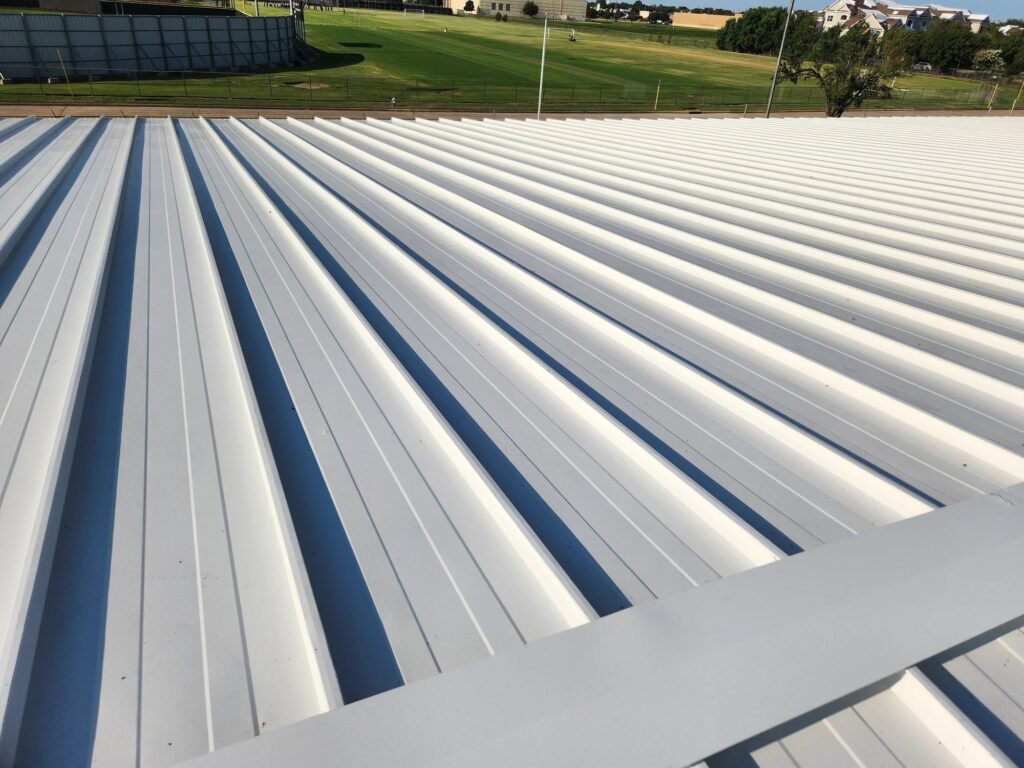
    Common standing seam roof

    Screw-down metal roofs have one big advantage over standing seam roofs and one clear drawback.

    Positive: They’re more affordable and typically last 10–15 years.

    Negative: The screws and rubber washers stay exposed on the surface.

    I’ve installed thousands of these screws over the years and have never been called back for leaks. That said, the Texas sun is brutal and will eventually dry out and crack those rubber washers.

    Important: Do not try to retighten screws on a roof that’s 10+ years old. They only seat properly once. If the screws are old, either replace them or seal them with Lexel or Sashco’s “Through the Roof” sealant.

    If you’re in the Texas Triangle (DFW, Houston, or Austin–San Antonio) and you’re buying, selling, or rehabbing a park, we’d be happy to inspect your roof and check the condition of the screws.

    Just give me a shout!

    John Mureiko

  • Liner Panel Rehab (Word of Caution)

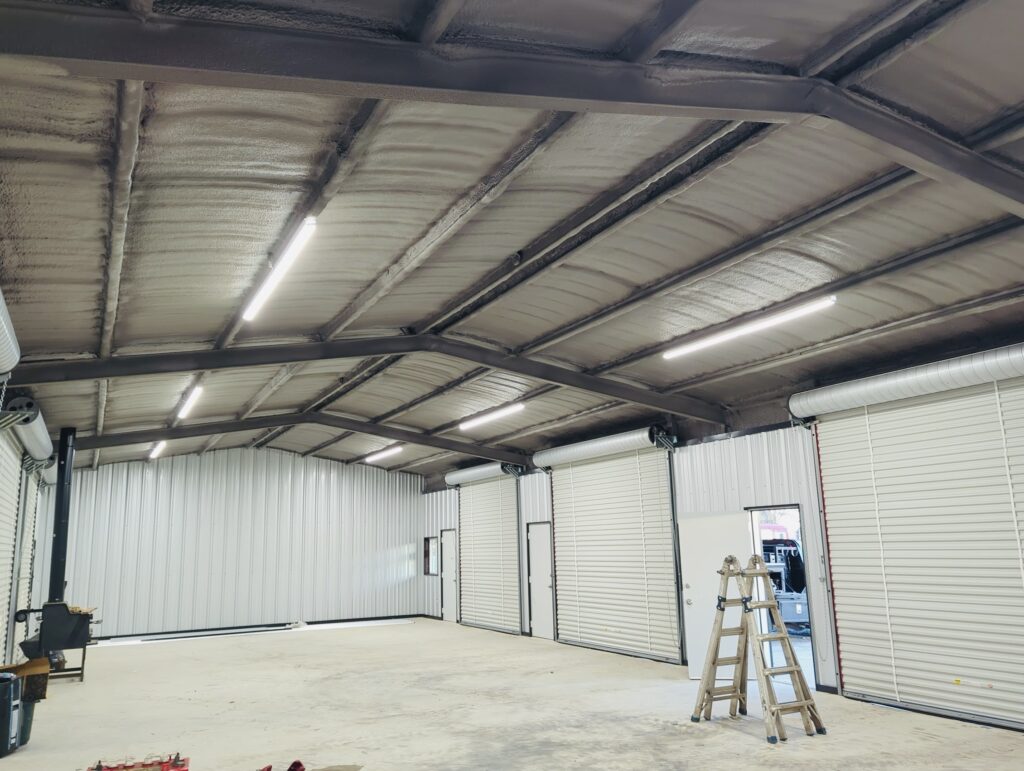
    Spray-foamed interior

    We returned to a client to add these liner panels — interior metal wall panels that give buildings a clean finished look while protecting the insulation and structure.

    A couple of things made the job tricky.

    First, the client had initially left the walls fully exposed to save costs. Before we returned, he spray foamed the entire building.

    Don’t get me wrong — I love spray foam for many reasons — but rehabbing around it is no walk in the park.

    An earlier heads-up would have saved everyone a small headache.

    Second, and more importantly, the electrician installed the outlets flush with the wall girts. Adding these liner panels pushes the finished wall out anywhere from 3/4″ to 1.25″. We had to adjust all of this before installing the liner panels.

    Just a couple of things to keep in mind before your next interior rehab.

    Enjoy the Texas heat!